About CWR
Canadian Wildfire Response LP (CWR) is a Saskatchewan based, emergency services company established to deliver best-in-class wildfire defence, property protection, and mitigation services to insurance partners and provincial agencies across Western Canada.
Combining national-standard wildfire suppression expertise with deep local and Indigenous community roots we come full circle with our community by reinvesting profits directly into community training, employment, and fire-resilient infrastructure.
Our Services
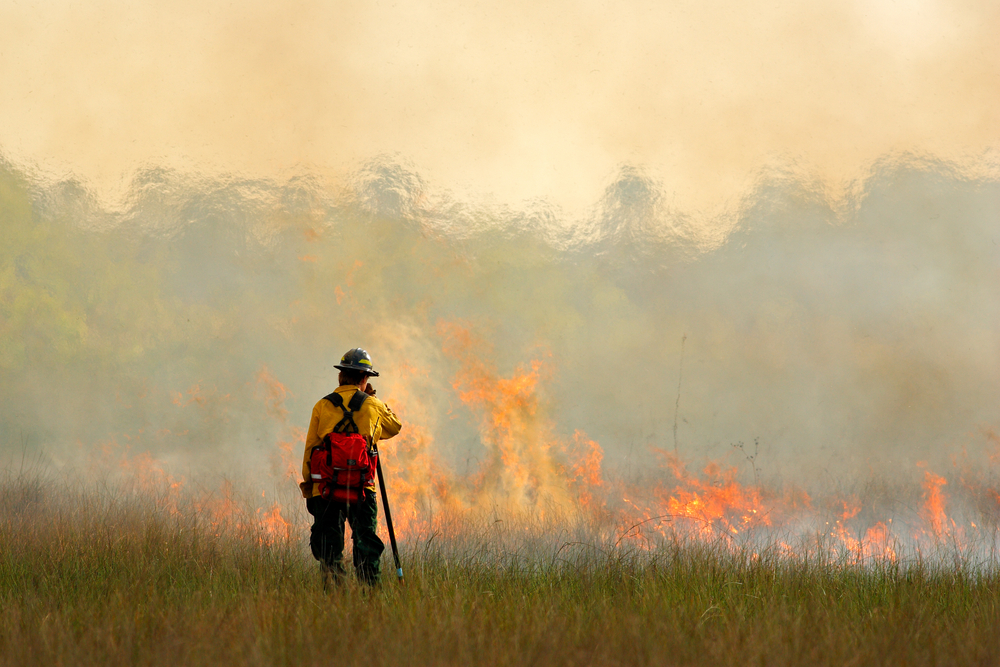
Our focus is on prevention, not reaction
Property Defence Program
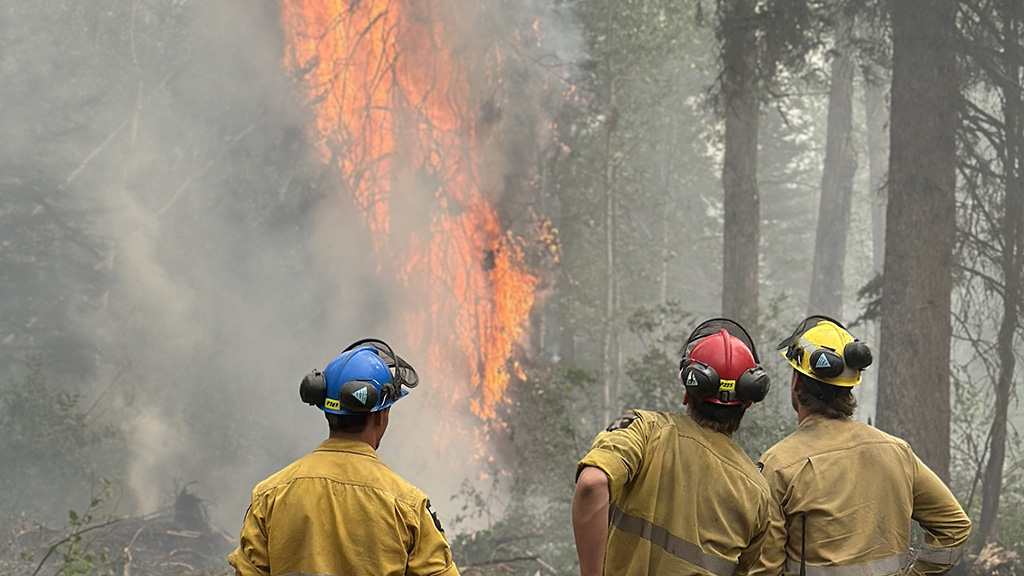
This service provides clients and high-risk communities with proactive, site-specific wildfire defence plans. CWR teams conduct pre-season property assessments, establish defensible space, and identify fuel hazards. When wildfire threat levels rise, CWR can immediately mobilize sprinkler units and fire-retardant foam systems to protect prioritized properties.
Structure Protection
Full-scale wildfire structure protection for residential, commercial, and industrial properties. Crews deploy sprinkler systems, foam barriers, and protective wraps to create defensible zones around insured structures.
This service minimizes property loss, reduces smoke and ember ignition, and provides a measurable reduction in claim exposure.
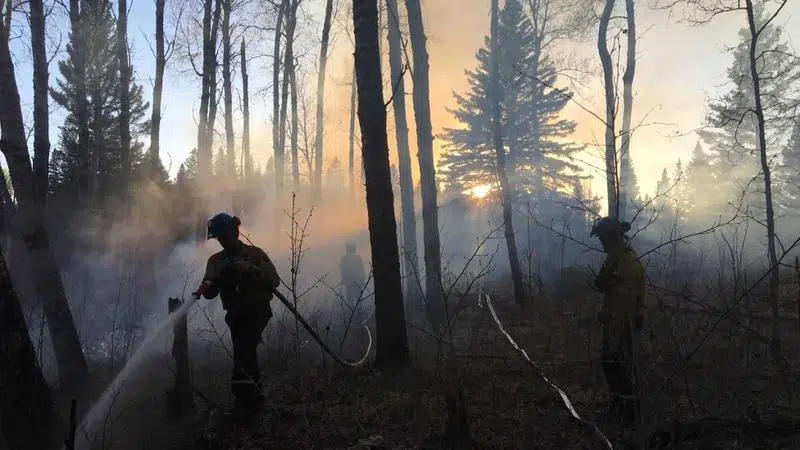
Wildfire Suppression
CWR’s suppression teams operate Type 3-6 engines and water tenders for rapid-response wildfire control. Crews engage at the wildland–urban interface, conducting perimeter line building, hot spotting, and structural triage.
Our operators and firefighters are SPSA-certified and maintain OW-113 Fireline Safety accreditation.
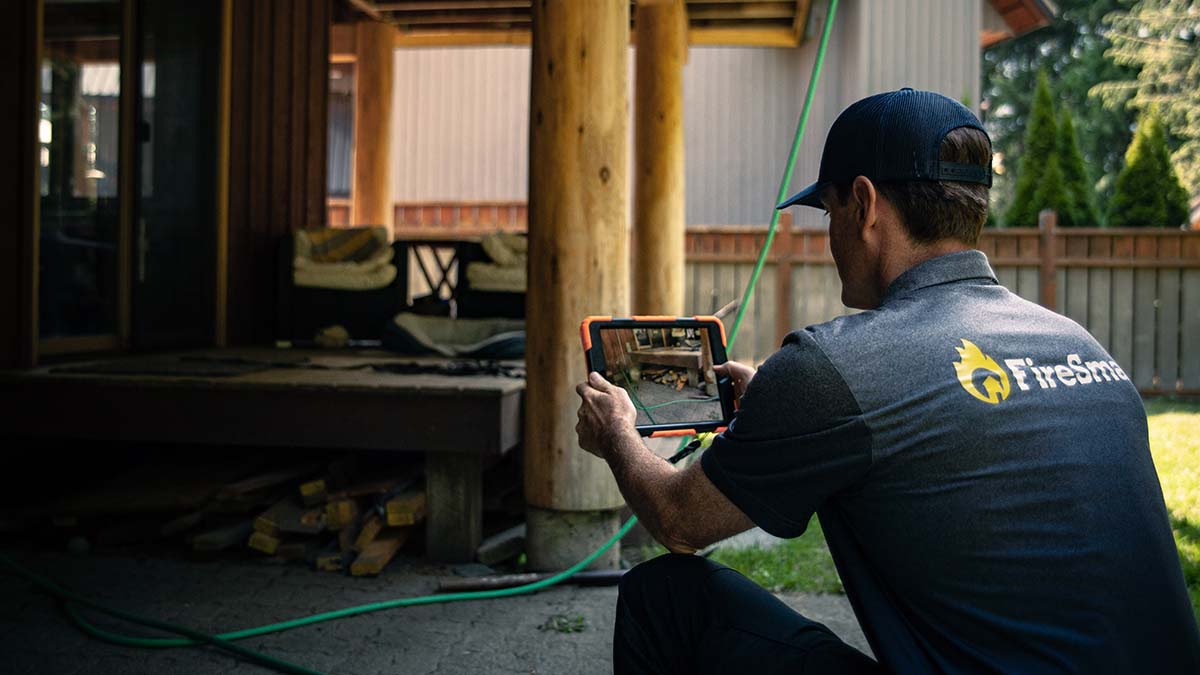
Risk Mitigation
CWR provides year-round FireSmart™ assessments, vegetation management, and community risk-reduction services. Crews remove hazardous fuels, trim vegetation near structures, and implement best practices to limit ember exposure. Our assessors deliver detailed reports with scoring metrics that align with our insurer clients’ underwriting and risk evaluation models.
This service reduces ignition likelihood, improves insurability, and enhances long-term community resilience.
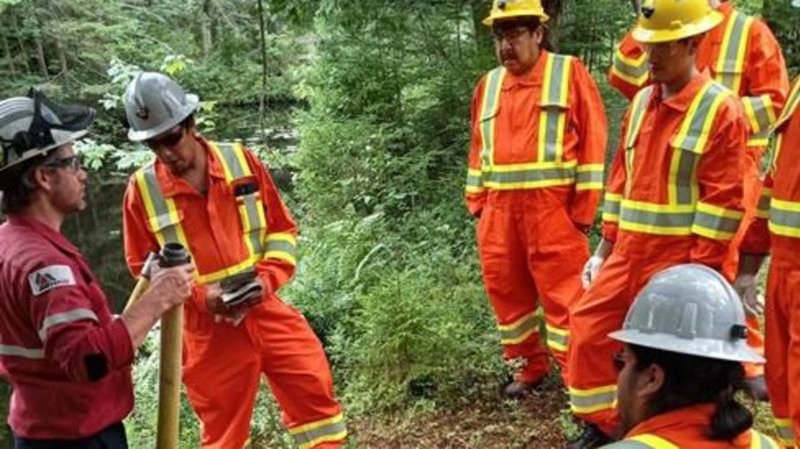
Community Training
Commencing in 2027, CWR will deliver certified wildfire training programs to Indigenous and northern communities across Saskatchewan and Manitoba.
Curricula include S-100/S-185, Fireline Safety, and FireSmart™ education, preparing participants for employment in the wildfire sector. Through community partnerships CWR turns seasonal operations into long-term career pathways.
Equipment and Crew Capability
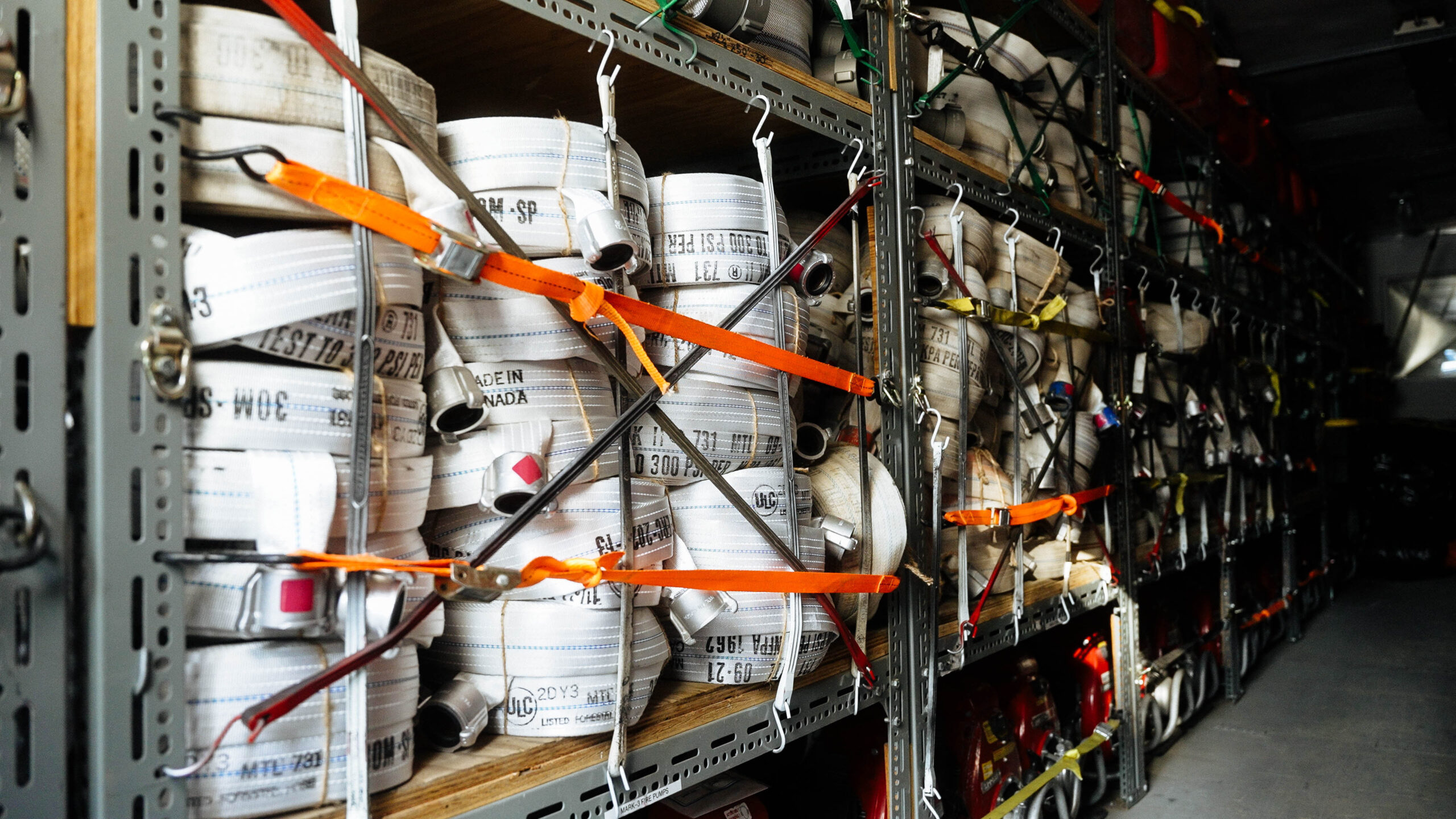
CWR maintains a fully equipped and CIFFC-compliant fleet designed for rapid response across Saskatchewan and Manitoba. The fleet includes four engines (Type 3 through Type 6), one water tender with 3,000-gallon capacity, and multiple support vehicles to ensure mobility, logistics, and crew transport between active sites.
Why Choose CWR?
With dual command centers in the RM of Paddockwood, SK and Brandon, MB CWR maintains constant operational readiness across the prairies
CWR operates under strict SPSA standards, with every firefighter certified under the OW-113 Fireline Safety Orientation and trained in accordance with NFPA 1051 and ICS protocols.
CWR’s management and field protocols meet both commercial and government expectations for professionalism, accountability, and safety.
Indigenous Engagement
Every CWR deployment brings with it Indigenous employment, local procurement, and skills development building a workforce rooted in community pride and environmental stewardship.
CWR is partnered with Kahkewistahaw First Nation and Gambler First Nation as founding members of CWR.